

Infinity is a research-driven Art-to-AR game
exploring how young people can reflect on
emotions through story,
drawing, and
augmented reality.
Research Question
How can art-based augmented reality interactions support young people in exploring, expressing, and reflecting on emotions through play?
Co-design Process



Three Research Areas
Emotional Wellbeing
Facing emotions, not only labelling them
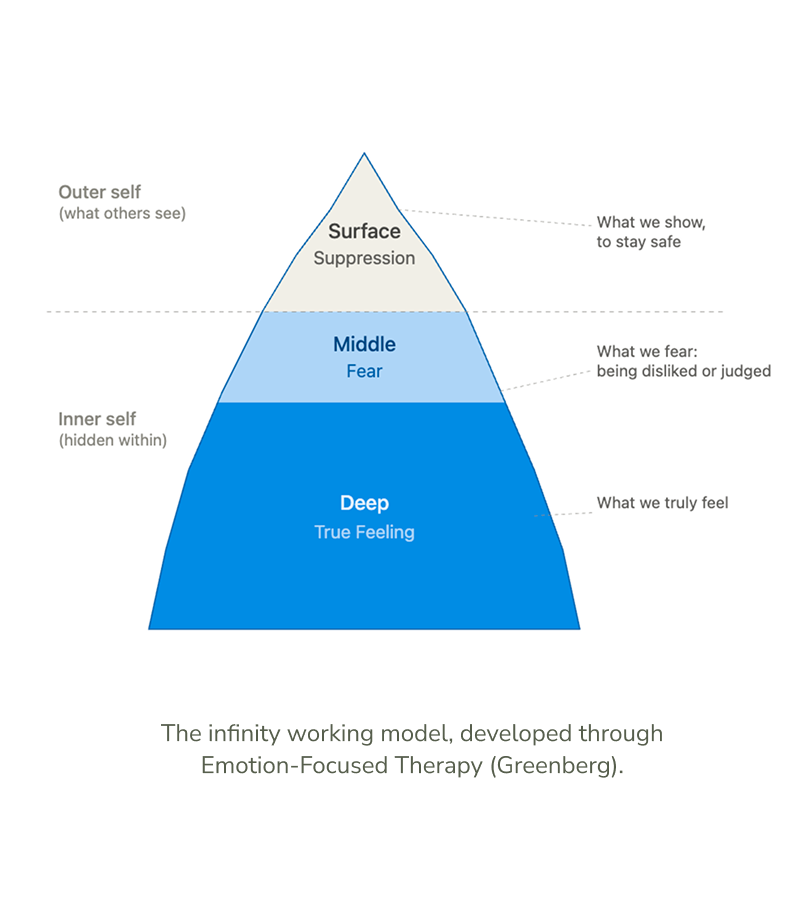
Infinity is a reflective educational game. It focuses on emotional awareness, perspective-taking, expression, and reflection. Players explore what emotions look like on the surface, what fears may sit beneath them, and what feelings may be hidden deeper inside.
Greenberg, L. S. (2004). Emotion–focused therapy. Clinical Psychology & Psychotherapy: An International Journal of Theory & Practice, 11(1), 3-16.
Abstract Art
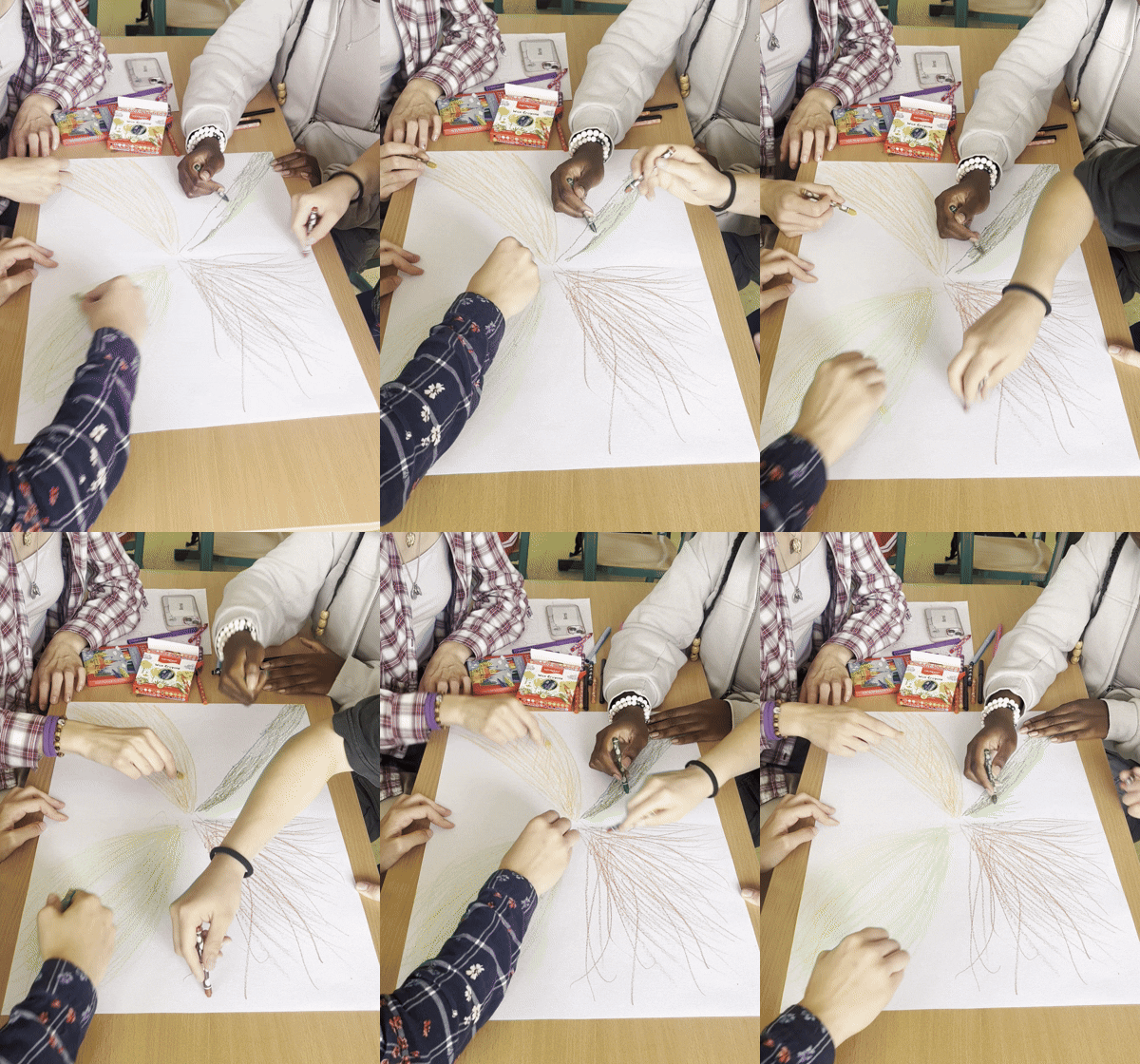
Art as another language for emotion
Children and young people do not always express feelings through words. Infinity uses drawing as a way to externalize feelings safely. The player’s artwork becomes part of the game world through AR, turning expression into interaction.
Papert, S., & Harel, I. (1991). Situating constructionism. constructionism, 36(2), 1-11.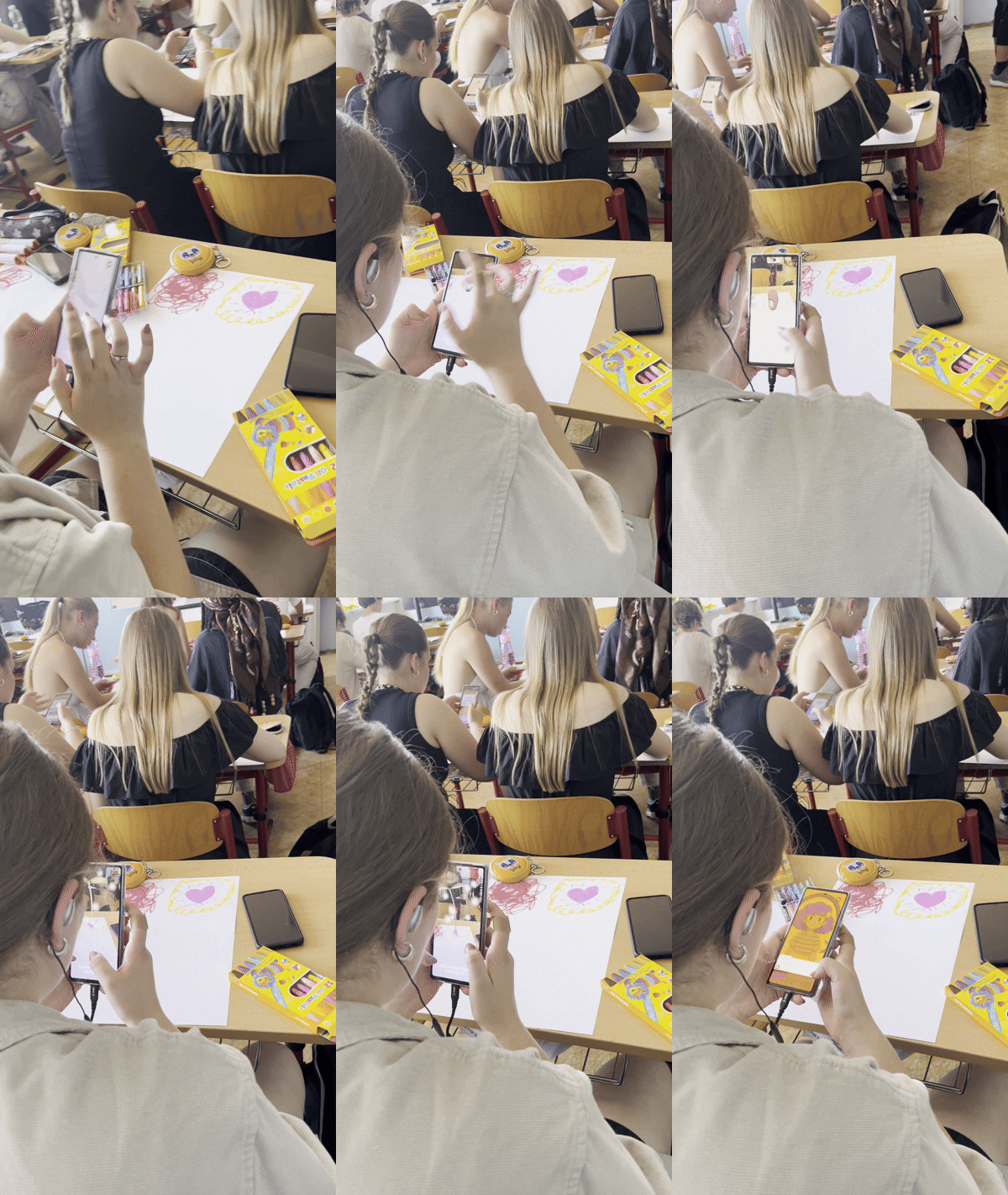
Augmented Reality
AR as embodied play
Infinity builds on research into mobile augmented reality and interactive markers. Instead of treating markers as passive triggers, the project explores how markers can become part of the game mechanic itself: something players can create, touch, scan, and learn from.
Tawde, V., Dostálová, N., Cigánová, E., & Kriglstein, S. (2025, April). Exploring the Fit: Analysing Material Selection for Interactive Markers in MAR Games through Co-Design. In Proceedings of the 2025 CHI Conference on Human Factors in Computing Systems (pp. 1-19).